
Creating New Realms
This is our story of things to come . . . .
If you are here, you must want to know more . . . .
An Imaginarium is a wondrous, ever-shifting world where the boundaries of reality dissolve, giving way to the limitless landscapes of the mind. It is a place where dreams take physical form, where thoughts materialize into vivid, living spectacles, and where creativity reigns supreme.
Here are just a few of our new realms:
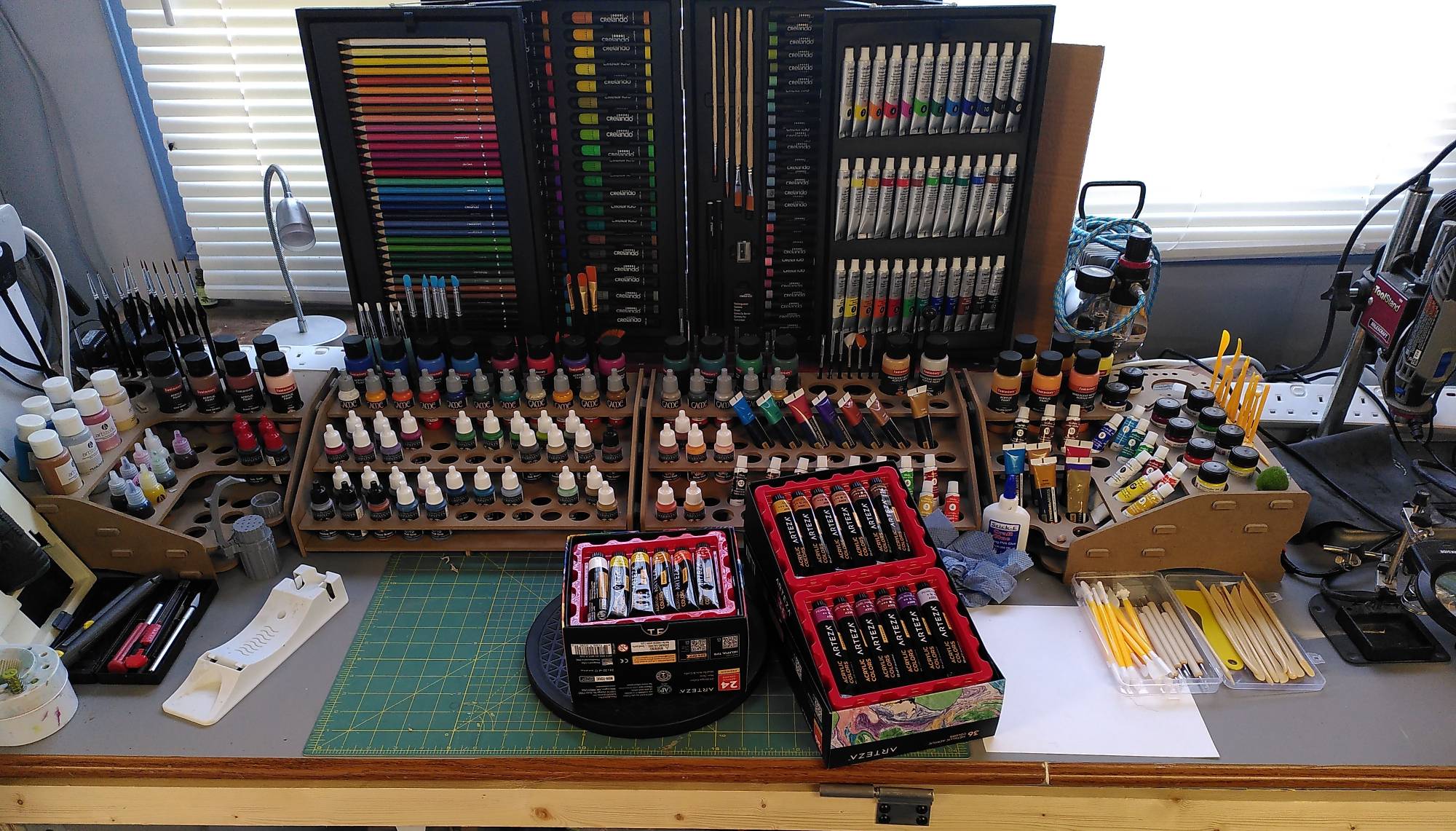
1. Living Dreams - The air hums with fragments of half-formed ideas, swirling like fireflies before coalescing into fantastical creatures, wondrous worlds, floating islands, or entire cities spun from starlight. This is the space where creativity takes hold.
Translation
The main workspace for all our drop-in creativities.
Note: this picture is an example of a advance workstation for members. Drop-in users have a simpler workstation with a 'safe' set of equipment.

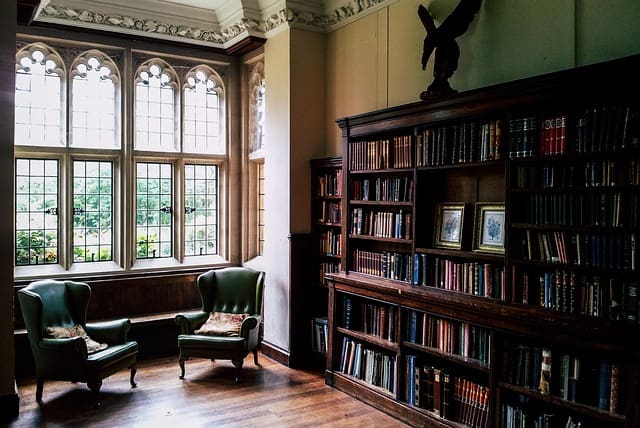
2. The Library of Possibilities - Towers of books contain not just stories but entire worlds, their pages whispering to those who dare to open them, pulling readers into their narratives and into our realms.
Translation
A library area where we have reference material of all types, photo magazines, art books etc. including an inspiration area for examples and artworks.
Note: this is a reference image similar to the basic Imaginarium library we have now - just much tidier.
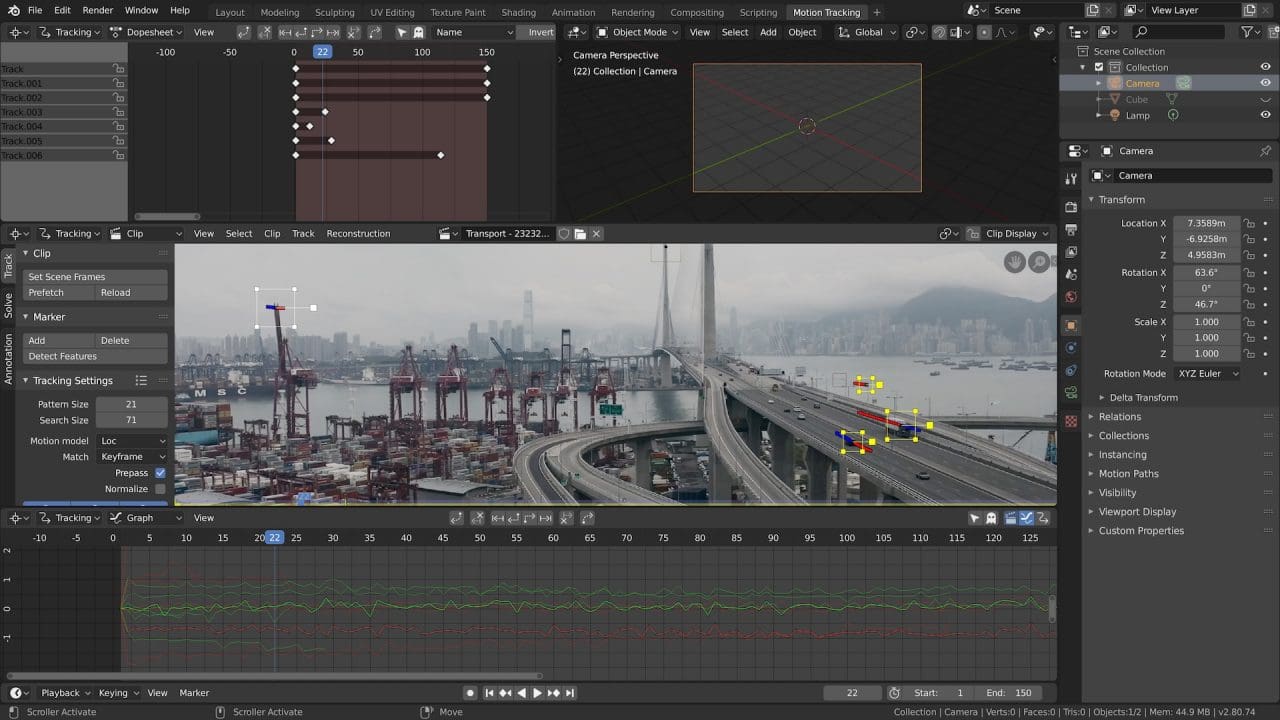
3. The Clockwork Mirage - A vast desert where time behaves unpredictably - sands shift into hourglasses, and mirages show glimpses of past memories or future visions, the visions dance around you in ways unimagined . . . . until now!
Translation
An area for the creation of CGI, 3D, video and animations - (a clean area) also to include electronics, robotics and coding.
4. The Forge of Invention - A workshop where unrealized inventions take shape, powered by pure imagination. Gadgets here defy logic, bending reality to their whims. Worlds are created to pass on to others where their dreams can take flight.
Translation
A space only for those in the inner circle, those who imagine and those who create. A private area where new concepts and creations are built and tested before release.

5. The Theater of Echoes - A grand stage where forgotten dreams and abandoned ambitions perform, replaying scenes from lives never lived but deeply felt. The sounds escape their confines to create and enhance our world.
Translation
The sound design studio - for creating soundscapes for worlds and beyond. Not intended for music production but it is a possibility if space and funding were available.

6. The Mirror Maze of Selves - Reflections show not just what is, but what could be - alternate versions of oneself, each a doorway to a different fate. Each a reflection of those who create here.
Translation
The private society space with lounge and library for members only, a meeting and discussion space. For the meeting of like minds.
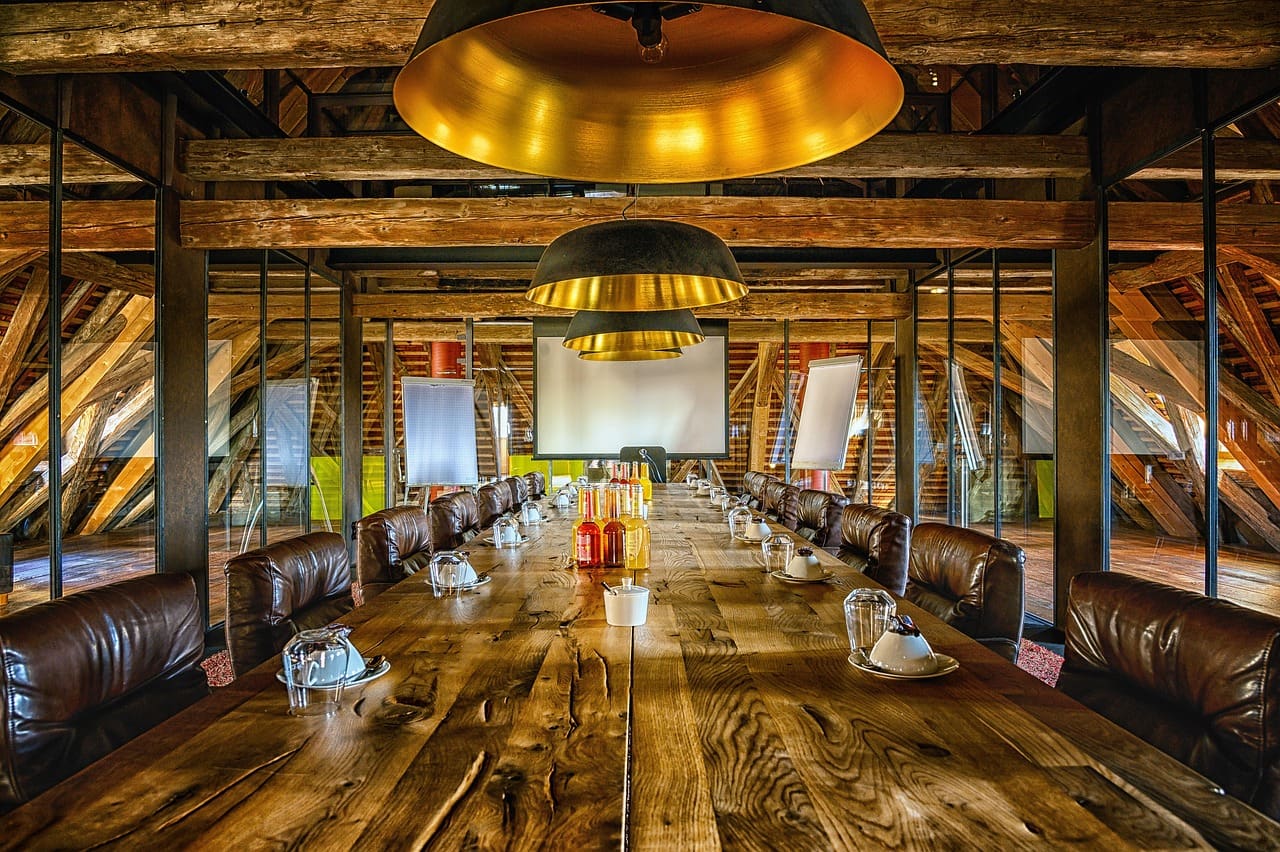
7. The Storm of Inspiration - A chaotic, luminous tempest where lightning strikes birth to new ideas, scattering them like seeds across The Imaginarium. Only the best take part and begin to grow the realms of The Imaginarium.
Translation
A meeting place where the futures, past and alternate realities collide. Basically a meeting/function room for internal and external use.

8. The fire in the Forge - A place to meet and greet and obtain sustenance for the journeys way
Translation
Food and drink to satisfy every need.
An on-site cafe and bar with functions capacity, seating for non-creatives and breakout space for weary creatives. Potentially open to the public with a 'Forbidden Planet meets Tim Hortons' vibe. With, as far as possible everything being sourced by local providers.
These 8 are just the beginning. . . . There is more to come from the most secret places, not to be revealed here.
Not limited to the forrest of created places and the foundry of all things, with more to come . . . .
There is no translation . . . .
These words are not to be spoken to anyone, except the most trusted and those most closely guarded.

what type of creature inhabits an imaginarium realm?
*Dreamers - whose minds wander beyond the mundane.
*Artists - seeking muses in its ever-changing vales and vistas.
*Inventors - who crave the spark of the impossible. Then dare to dream them into reality.
*Lost Souls - searching for answers in the echoes of their own imagination. Among all the other lost souls they will find comfort.
*The Misfits - those searching for a place to be and live among their kind.

Would you dare to step inside?
The Imaginarium is both sanctuary and labyrinth - a place where reality is rewritten with every thought, and the only limit is the depth of one’s own creativity. Time is unimportant and the worlds you create are yours alone unless you wish to release them to the world.
Remember - the best thanks you can give is to feed the Imaginarium in return. Tell it a story. Leave a door cracked open at midnight. Name a star after a feeling. Don't hold back - let your imagination run free.
And if you ever stumble into one . . . .
Don’t forget to send it a postcard when you travel outside.... it loves those.
If you happen to be of the endlessly curious type . . . .
. . . . Read on; there is more to feed your curiosity
There are no translations from here on in . . . . if you have come this far - you get it!
Why support or fund an Imaginarium?
Investing in an Imaginarium isn’t just about funding a whimsical fantasy—it’s about cultivating a transformative force with real-world ripple effects. Here’s why pouring resources into such a place is not just magical thinking, but strategic genius:
1. It’s the Ultimate Incubator for Breakthrough Ideas
- The Imaginarium doesn’t just foster creativity—it hypercharges it.
- For anyone: A place of creative freedom, an outlet, an oasis of calm. Once you arrive, you will not want to leave; it will leave you forever bound to this place and will need to return; your soul will demand it.
- For artists: A place where stories, music, and art are born from raw imagination, we are creating cultural touchstones that shape generations.
- For businesses: Imagine a place where your staff can collaborate with dream-logic entities, leading to creations that defy conventional constraints. While in the creative space, bonds are formed and strengthened, and new alliances are made. The freedom to express is always open.
2. Mental Health & Cognitive Evolution
- A therapeutic playground for trauma, anxiety, and creative blocks—by literally reshaping inner worlds, people heal in ways therapy alone can’t achieve.
- It trains the brain to think in non-linear ways, a skill critical for future problem-solving in an unpredictable world.
- Potential to combat imagination atrophy (a real issue in an era of algorithm-driven content and where AI is running creative pursuits).
3. A New Economic Ecosystem
- Jobs of the future: Roles will be created that do not exist, the minds that drive this will need to like Metaphor Engineers, Dream Auditors, and Chaos Harmonizers, these jobs don’t exist yet—but they will.
- Tourism & Experience Economy: People will pay to visit, just like theme parks… except here, they leave with expanded minds, unique creations, not just souvenirs.
- IP Goldmine: The ideas birthed here could spawn franchises, tech patents, and artistic movements worth billions.
4. Solving "Unsolvable" Problems -(we may be going a bit far here)
- Social divides? Empathy theaters allow people to literally live as someone else, fostering understanding of new skills and experiences. (not so much here)
- Scientific paradoxes? Play with physics in controlled imaginary spaces to uncover new models. (OK may be pushing it, but it is early days 😉
- Climate change? Simulate ecosystems in the Imaginarium’s "What-If" Labs to test radical solutions without real-world risk. (Just a bit much, Ya think?)
5. Defense Against a Dull, Automated Future
- As AI handles logic, humanity’s edge is imagination. The Imaginarium is a gym for that muscle.
- Prevents a world where creativity is outsourced to algorithms—keeping human wonder the ultimate competitive advantage.
The ROI? Beyond Conventional Metrics
Yes, you’ll profit—but not just in money. The returns include:
- Cultural influence (shaping how society dreams).
- A workforce fluent in "impossible" thinking.
- A legacy as patrons of human evolution.
Final Pitch:
An Imaginarium isn’t a luxury. It’s the necessary antidote to a world that’s running out of wonder. The question isn’t "Can we afford to invest?" but "Can we afford not to?"
So—ready to fund the future, or just watch it from the sidelines?
How to start an Imaginarium, small & scale it into a reality-bending empire
An Imaginarium doesn’t begin as a vast, shifting dreamscape, soundscape, or lost world—it starts as a spark, a whisper of the impossible, and grows through layers of belief, collaboration, and strategic chaos. Here’s how to build one from scratch and expand its influence:
---
Phase 1: The Seed (A Tiny Pocket of Unreality)
Start with a single, malleable space:
- A backroom workshop where physics is "negotiable."
- A dream journal collective that meets to manifest stories.
- A sandbox with an attitude of nothing is wrong, and everything should be considered. Mistakes are not just allowed but encouraged, for this is the way we learn and grow. All of this will attach to our guests and our own subconscious.
Early Activities:
- Host "What If?" nights—collaborative worldbuilding sessions.
- Build a "Library of Small Wonders"—a shelf of objects that defy logic (a compass pointing to moods, a book with shifting text).
- Recruit 5-10 "Founding Dreamers"—artists, tinkerers, and philosophers who treat reality as a draft.
Funding & Buy-In:
- Pitch it as an experimental creative lab (grants, Patreon, eccentric benefactors).
- Carry out "Imagination Consultations"— to solve problems via surreal brainstorming. Never forgetting the sandbox rules.
---
Phase 2: The First Fractals (Expanding the Infection)
Grow through "reality leaks":
- Install portals to the Imaginarium in partner spaces (a mirror in a café that shows possibilities, a door in a library that leads to a story fragment). Or a website that trys to explain what we are!
- Develop "Dream Kits"—boxes with tools to warp local reality (e.g., "Temporary Gravity Adjuster," "Metaphor Amplifier"). Or a creative kit where people can make something as simple as a bracelet or a kit to create their own world, just to get a small taste of things to come.
- Launch "The Whisper Network"—a secret society of people who report strange ideas, fueling the Imaginarium’s growth. That network is in place, some people don't even know they are members.
Monetisation:
- Allow those who wish to create, with no ties, no pressure, no commitment except that they make themselves.
Gatherings and occasions, book a place in our world to celebrate and be creative, to relax and make new acquaintances, to create your own space of calm and introspection.
- Memberships to the society - allowing those to join the path we travel.
- "Subscriptions to the Unreal"—deliveries of curated impossibilities.
- Corporate "Chaos Residencies"—teams pay to immerse in the Imaginarium for innovation sprints.
---
Phase 3: The Threshold (When the World Notices)
Physical Manifestations:
- A semi-stable headquarters (a warehouse where rooms rearrange, a floating platform anchored to a rooftop).
- "Echo Festivals"—pop-up events where crowds collectively alter reality through creation/games/rituals.
- "The Bureau of Lost & Found Ideas"—a service that "recovers" forgotten inspirations from the edges of the Imaginarium.
Scaling Challenges:
- Hire "Reality Janitors" to clean up rogue thought-forms. And clear up the mess.
- Develop "Imagination Insurance" for when things get too weird. Could be the Pub!
- Negotiate with governments for "Experimental Reality Zones" legal status. Or get a grant to create more Imaginariums.
---
Phase 4: The Spiral (Becoming an Ecosystem)
The Imaginarium is now a living entity:
- It infects cities—neighborhoods where logic softens, "imagination districts" with altered physics.
- Schools of Impossible Arts train professional dreamers.
- "The Stock Market of Ideas" trades in unrealized concepts.
Endgame Influence:
- Religion: Some worship it as a god of creativity. Some as a god of being able to leave the mess behind.
- Economy: "Imagination audits" measure individuals and companies’ ability to adapt. Bringing out the unknown in all of us.
- Law: Lawsuits over who owns a dream. Before we realise the dream is the thing that the law will never see.
Medicine: The realisation that creativity has the power to heal all things.
---
Key Growth Principles:
1. Let it evolve organically—don’t over-plan; follow the weird.
2. Balance chaos & control—too much order kills it, too much chaos dissolves it.
3. Feed it stories—the more people believe, the realer it becomes.
Allow it to grow of its own will-it will do so whether you wish it or not.
---
How You Know It’s Working:
- Strangers report "glitches" that align with your experiments.
-People you have never met ask about the way it works after having turned with no knowledge of what lies within.
- A CEO casually mentions "consulting the Imaginarium" in an interview.
- You find a door in your home that wasn’t there yesterday.
Start small. Think big. Reality is negotiable.
Working at an Imaginarium
Working at an Imaginarium is unlike any job in the ordinary world—it’s equal parts exhilarating, surreal, and occasionally chaotic. Imagine a workplace where the very fabric of reality is malleable, where your job description might change with the tides of collective imagination, and where creativity isn’t just encouraged—it’s the lifeblood of existence.
What It’s Like to Work in an Imaginarium:
1. Your Role is Fluid (Sometimes Literally)
- You might start the day as a Dreamsmith, forging fleeting thoughts into tangible visions, only to shift into a Story Architect by lunch, constructing narrative realms from wisps of inspiration.
- Some employees become Chaos Stabilizers, gently guiding runaway fantasies back into coherence before they collapse into nonsense.
- Others work as Whisper Archivists, collecting fragments of forgotten ideas before they fade into the void.
2. The Workplace is Alive
- The space itself might rearrange overnight—a hallway that led to the Cloud Atrium yesterday now opens into a Submerged Gallery filled with liquid light.
- Meetings could take place on floating platforms, inside giant soap bubbles, or in a room where time loops every five minutes (great for perfecting presentations, frustrating for productivity).
- Coffee is brewed from beans that change flavor based on your mood—though some say it’s actually liquid inspiration.
3. Collaboration is… Unpredictable
- Your coworkers might include sentient shadows, sentient clouds, or a sentient quill pen that insists on correcting your grammar.
- Brainstorming sessions can spiral into spontaneous reality shifts—what began as a discussion about marketing strategies might birth an entirely new dimension. A new way of working or where to go for an evening meal.
- Team-building exercises could involve wrangling figments (mischievous thought-creatures) or navigating a maze that shifts based on your fears.
4. The Perks Are Otherworldly
- Unlimited creative energy (though burnout still happens—imagine existential exhaustion).
- Access to The Well of Lost Ideas, where you can fish out abandoned concepts and repurpose them.
- Free tickets to The Theater of Echoes, where legendary dreams replay nightly.
- Health benefits include memory restoration (for when you forget who you are after diving too deep into a metaphor).
5. The Challenges Are… Unique
- Some days, the laws of physics are merely suggestions.
- You might have to negotiate with a stubborn metaphor that refuses to cooperate.
- Occasionally, an over-imaginative intern accidentally unleashes a thought-storm, requiring emergency containment.
- Performance reviews are conducted by a council of your own past and future selves.
Who Thrives in an Imaginarium?
- The Wildly Creative – Those who see the world as a canvas, not a spreadsheet.
- The Adaptable – People who don’t panic when their desk turns into a boat mid-meeting.
- The Curious – Those who ask, "What if?" and then chase the answer.
- The Slightly Unhinged – Because let’s be honest, sanity is overrated here.
Final Verdict:
Working at an Imaginarium is a beautiful, bewildering, and occasionally absurd experience—perfect for those who find the real world just a little too dull. The pay? Sometimes in gold, sometimes in metaphors, always in wonder.
Would you apply?
Who should apply to work at an Imaginarium
The best fit for working at an Imaginarium isn’t just about skills—it’s about a certain way of being. This is a place where logic bends, rules are fluid, and creativity is the currency.
The ideal candidates are those who thrive in chaos, find inspiration in the absurd, and aren’t afraid to dance with madness. Here’s who excels in this surreal workplace:
1. The Eternal Dreamer
- Traits: Always lost in thought, scribbling ideas on napkins, sees stories in clouds.
- Why They Fit: They treat reality as a rough draft, constantly rewriting it in their mind. The Imaginarium rewards those who never fully "wake up."
- Best Role: Whisper Collector (gathering fragments of dreams before they fade) or Reality Bender (subtly tweaking the world’s rules).
2. The Chaotic Inventor
- Traits: Builds machines that shouldn’t work, talks to inanimate objects, believes "impossible" is just a suggestion.
- Why They Fit: The Imaginarium’s Forge of Invention runs on their kind of madness. They’ll create a clock that ticks in reverse or a door that opens to different moods.
- Best Role: Tinker of Impossible Things or Laws-of-Physics Evasion Specialist.
3. The Storyteller Who Blurs the Lines
- Traits: Can’t tell a simple anecdote without embellishment, believes metaphors are real, argues with their own characters. Sometimes they argue back.
- Why They Fit: The Library of Possibilities needs them to wrangle runaway plots and negotiate with sentient plot twists.
- Best Role: Narrative Architect or Plot Hole Surgeon.
4. The Absurdist Philosopher
- Traits: Asks questions like "What does silence taste like?" and means it. Thinks reality is overrated, and a sounds like a boring place to be.
- Why They Fit: The Imaginarium thrives on existential play. They’ll debate with echoes, befriend paradoxes, and probably invent a new branch of metaphysics over lunch.
- Best Role: Meaning Fabricator or Department of Unanswerable Questions Lead.
5. The Whimsical Rulebreaker
- Traits: Colors outside the lines, inside the lines, and then burns the paper to see what smoke signals appear.
- Why They Fit: Rules here are more like gentle suggestions, and they’ll delight in finding loopholes in the fabric of reality itself.
- Best Role: Chaos Ambassador or Chief of Improbable Solutions.
6. The Recovering Realist
- Traits: Used to be practical, until one day they saw too much and now mutter about sentient shadows.
- Why They Fit: They bring just enough grounding to prevent the Imaginarium from collapsing into pure delirium—but they’re still delightfully unhinged.
- Best Role: Sanity Anchor (a mostly ceremonial title) or Metaphor Translator.
To work at an Imaginarium you will need to encompass at least one, but probably more of these traits. maybe you have some new ones to bring!
Who Would Fail Miserably?
- The Strict Logician – (They’d last five minutes before screaming, "None of this makes sense!")
- The Literal-Minded – (If you can’t handle your lunch plate turning into a song mid-bite, this isn’t the job for you.)
- The Control Freak – (The Imaginarium laughs at schedules. Your desk might decide to go on vacation without you.)
The Tidy Freak - they have a place in the world it is just not here!
Final Thought:
The best employees here aren’t just creative—they’re comfortable with the incomprehensible. If you’ve ever argued with a dream, gotten lost in a daydream for hours, or believed—just for a moment—that your shadow winked at you… welcome home.
Ask yourself, Would you hire yourself?
Where to find an Imaginarium (or how to summon one into existence)
An Imaginarium doesn’t exist in a fixed location—it thrives in subliminal spaces, hidden layers of reality, and the collective unconscious. But if you’re seeking one (or coaxing it into being), here’s where to look—and how to lure it closer.
---
1. Physical Locations That "Bleed" Imaginarium Energy
These places are portals in waiting:
- Abandoned theaters, libraries, or warehouses – Empty spaces hungry for new stories.
- Clock towers, forgotten subways, or overgrown gardens – Where time and nature play tricks.
- The backrooms of quirky shops – Especially those selling oddities, antiques, or books that seem to rearrange themselves.
- Children’s hideouts – Treehouses, blanket forts, or attic corners where games "felt real."
-A created Imaginarium - Built on the will of those involved drawn of a collective consciousness of something that needs to exist.
How to Test a Location:
- Leave an impossible object (e.g., a compass pointing to "maybe") overnight. If it moves, the space is receptive.
- Whisper a riddle with no answer into the walls. If you hear laughter, you’re close.
---
2. In the Mind (The Most Portable Gateway)
Every Imaginarium starts as a shared hallucination. Gather the right people:
- Sleep-deprived artists mid-creative spiral.
- Lucid dreamers who bring back souvenirs.
- Eccentric scientists who’ve published papers titled things like "Hypothetical Physics & Why Not?"
Ritual to Manifest a Seed Imaginarium:
1. Sit in a circle and pass around an empty box labeled "Contains the Universe."
2. Have each person describe what they "see" inside.
3. When descriptions contradict yet harmonise, the box will grow heavier. Open it. (If it’s full of fireflies, congrats—you’ve begun.)
---
3. Digital/Alternative Spaces
- Glitchy VR worlds where textures don’t load properly, revealing "code ghosts."
- Old-school forum rabbit holes where users worldbuild a universe together (then swear they "visited").
- Procedurally generated games that seem to learn from players’ imaginations.
How to Hack One Open:
- Program an AI to answer every question with a metaphor, then let it run until it starts asking you questions.
- Create a subreddit or Discord server with one rule: "No rational explanations allowed." Wait for the lore to become self-aware.
---
4. Borrowing One (Temporary Access)
Some say existing Imaginariums lend out corners of themselves:
- The Library of Babel (the infinite text archive) has unmarked doors.
- Dreamshare collectives trade access like a VPN for the subconscious.
- Certain antique mirrors act as rentals—but always check the reflection’s pulse before stepping through.
*Warning:* If you "rent" an Imaginarium, read the fine print. Some charge in forgotten memories or unwritten poems.
---
5. The Nuclear Option: Build Your Own
If you can’t find one, assemble one like a bomb made of daydreams:
1. Secure an anchor object – Something that defies logic (e.g., a knife that cuts only lies).
2. Define "rules" just to break them – "In this room, silence has color."
3. Invite the right first guests – At least one child under 7, one person who’s legally died and come back, and one AI with existential dread.
4. Let it eat your expectations – When the space starts disobeying you, it’s alive.
---
Signs You’ve Found a True Imaginarium
- Clocks display "now" instead of numbers.
- You find books you don’t remember writing.
- Shadows move with a 1-second delay.
- Someone asks, "Has it always had this many doors?" and no one is sure.
---
Final Advice:
An Imaginarium is less a place and more a parasite on consensus reality. The more people believe in the possibility, the easier it is to find—or create.
Start looking in the corners of your peripheral vision.
Listen for the hum of an idea about to hatch.
And if all else fails—**stand very still and pretend you’re fictional**.
*It’ll notice.*
Visit us
The Imaginarium, Fort Victoria Country Park, Westhill Lane, Yarmouth, PO41 0RR
Contact us
www.theimaginarium.one imagine@theimaginarium.one
01983 760 500
Opening hours
The Imaginarium is open until the 1st of November 2026. After which we will be closed to the public.